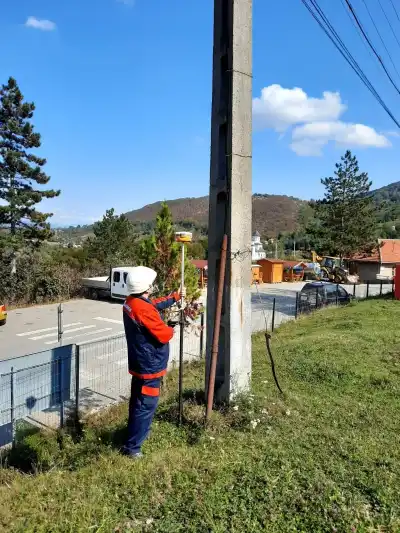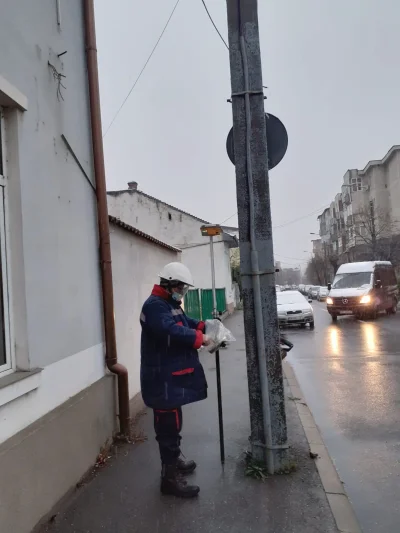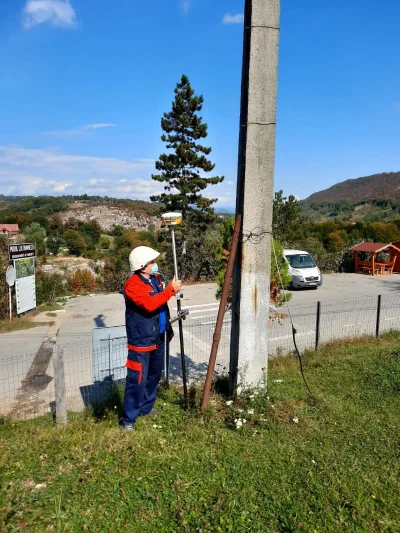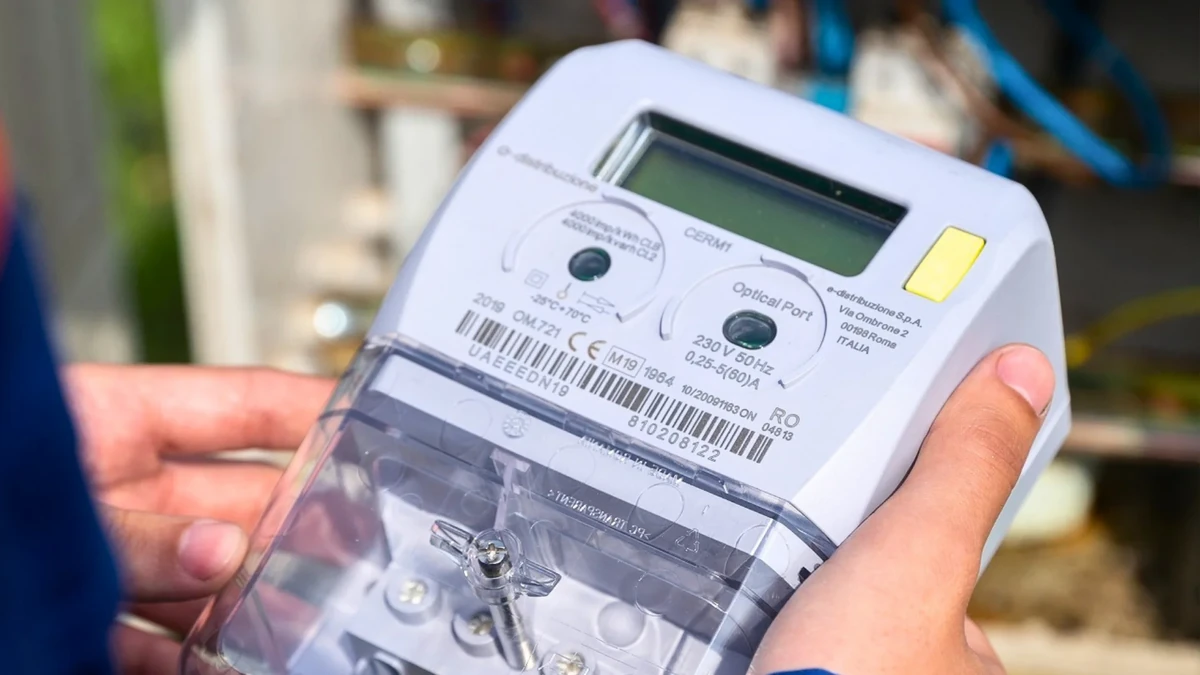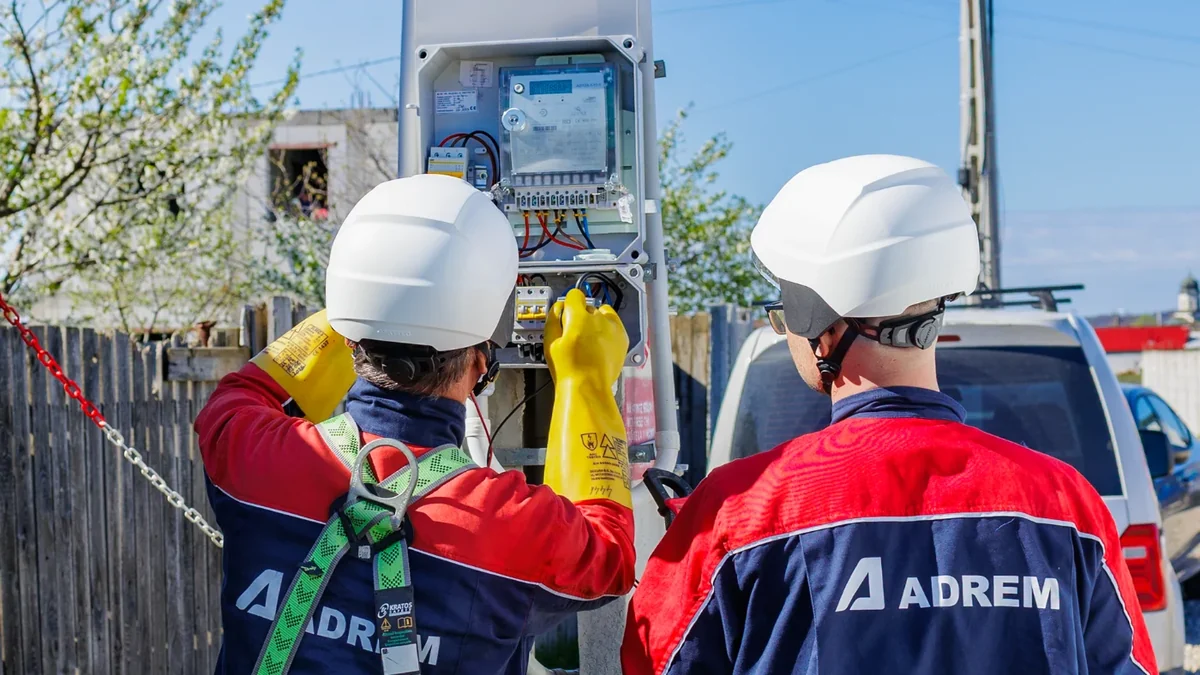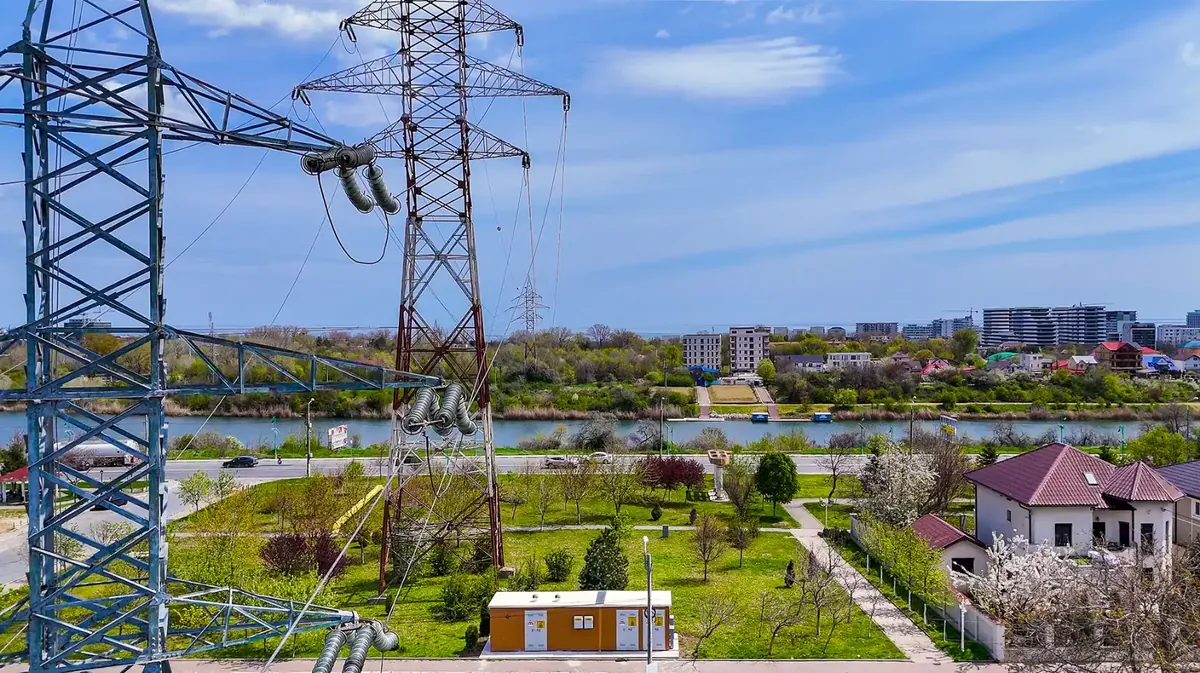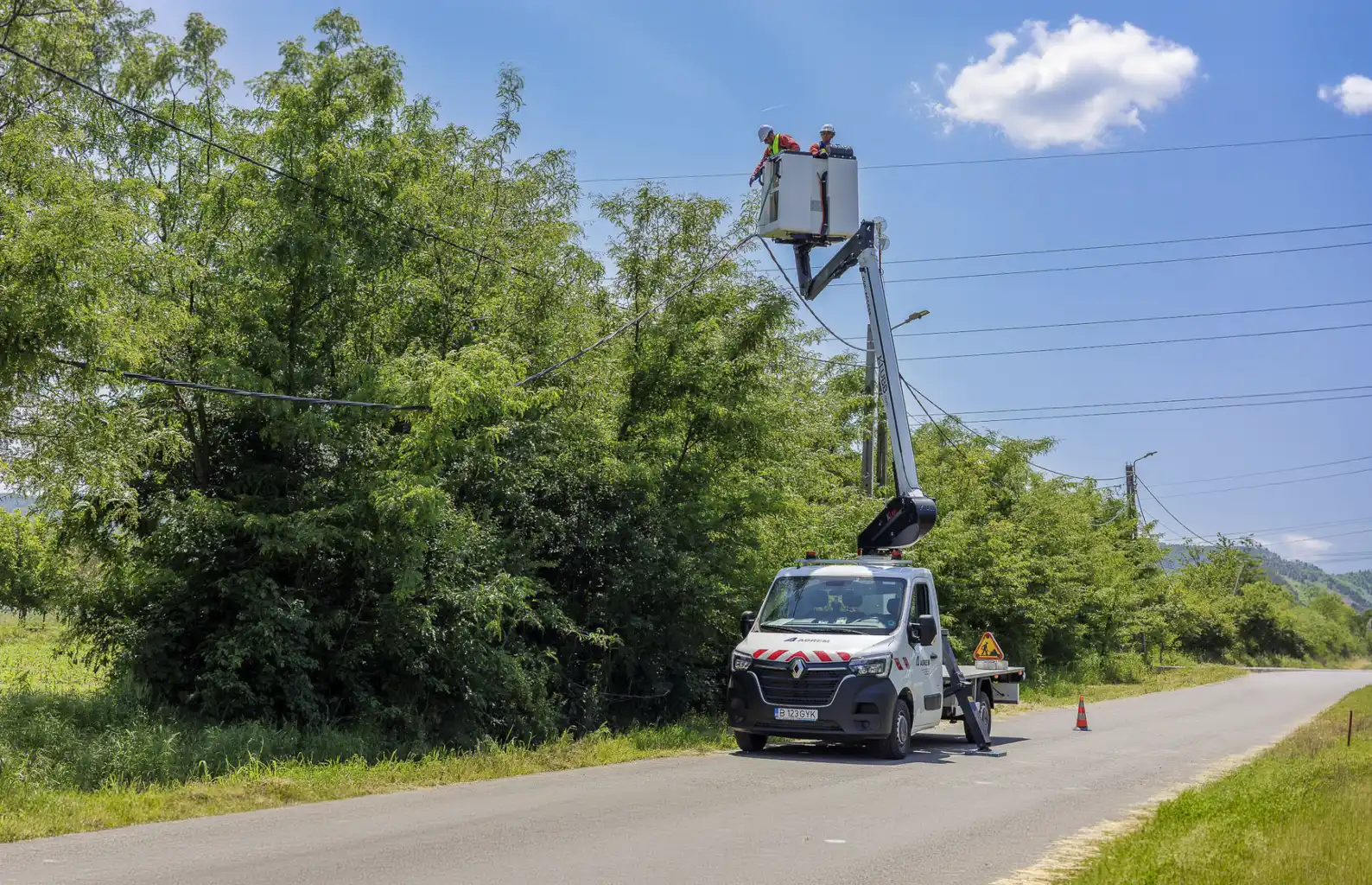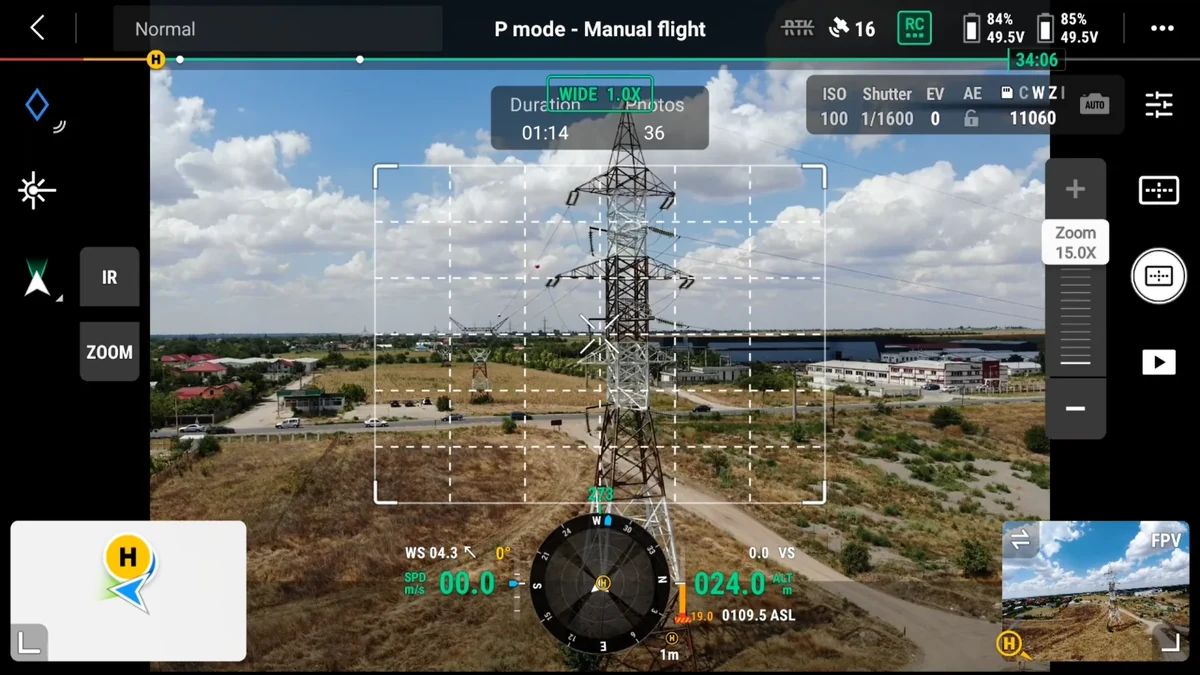


The digitization of the energy infrastructure and the development of geospatial databases are essential elements for the efficient management of modern electricity distribution networks. In this context, ADREM has carried out for Distribuție Energie Oltenia (DEO) an extensive project for the inventory and collection of GIS data for the low voltage networks in Mehedinti County.
The objective of the project was to identify, inventory and georeference all the components of the low voltage distribution network, as well as to update the information necessary for the development of a complete and accurate GIS database. The activities included the survey of the geographical coordinates for the existing equipment and infrastructures, the verification of the field data and the collection of the technical information necessary for their integration into the digital management systems of the distribution operator.
The works were carried out throughout Mehedinti County, covering the municipalities of Drobeta-Turnu Severin and Orșova, as well as the related rural and peri-urban areas. In total, the project targeted 130 localities and involved the collection and validation of information for 35,882 elements of the low voltage electricity grid.
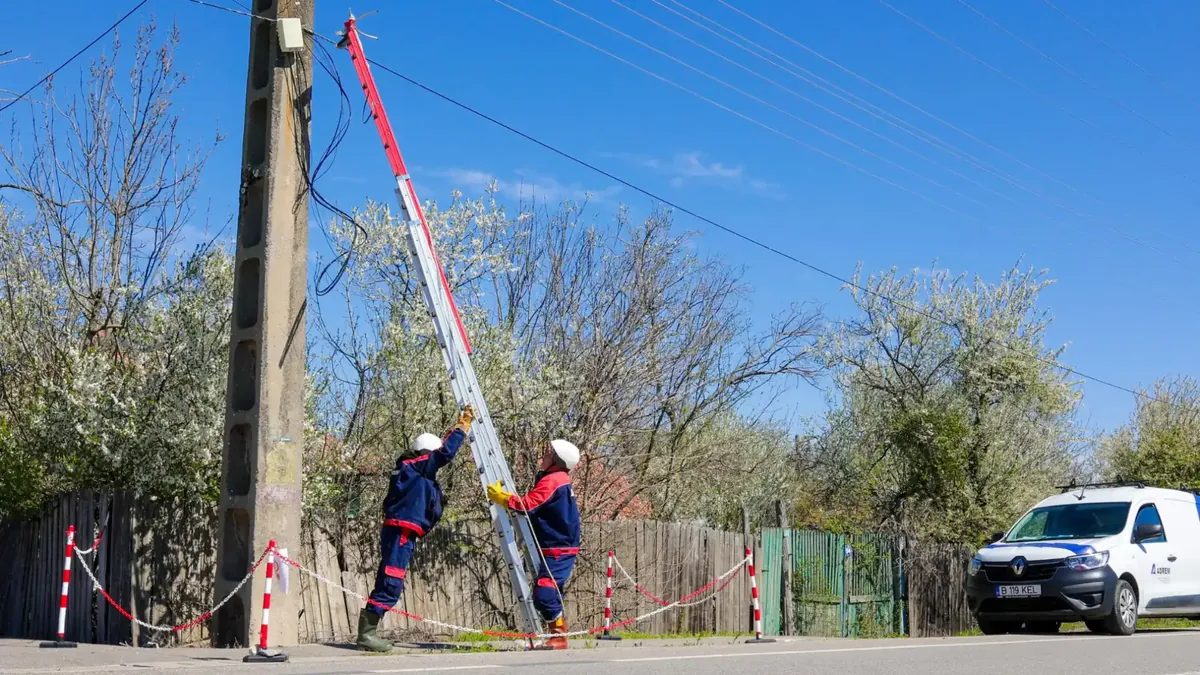
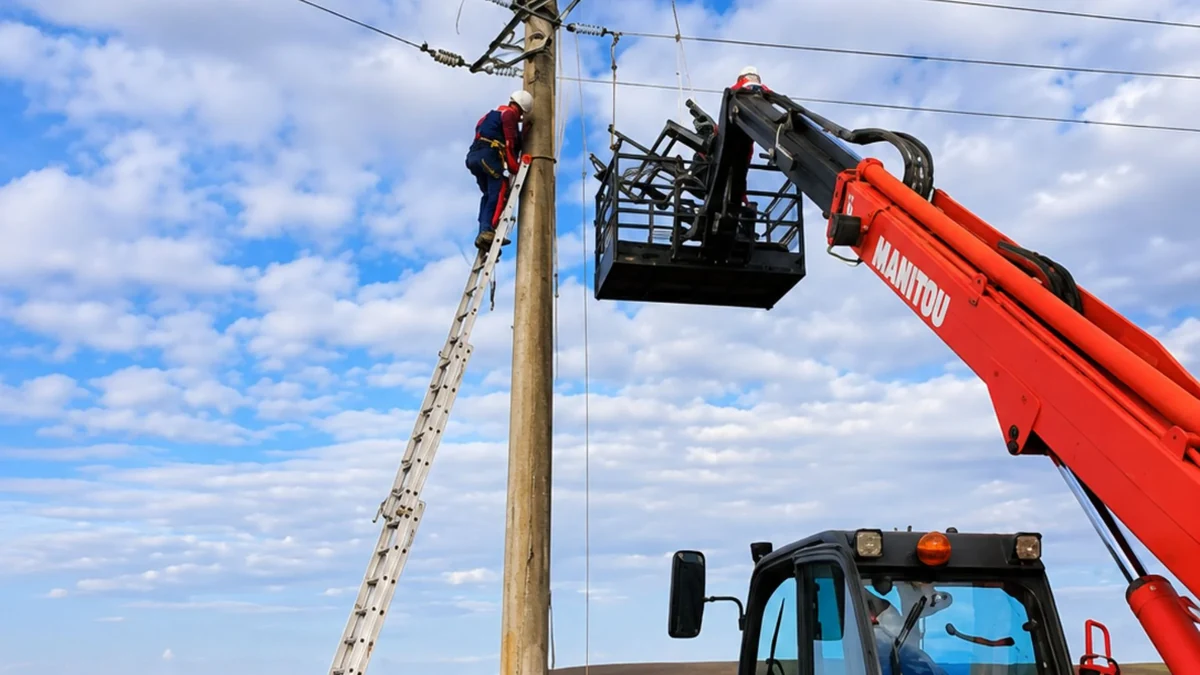
The complexity of the project was influenced by the extensive area covered, the diversity of the types of infrastructure inventoried and the difficult working conditions encountered in the field. The ADREM teams carried out the activities in various weather conditions and on various landforms, from dense urban areas to rural localities and hard-to-reach routes. Despite these challenges, the project was completed significantly ahead of the contractual deadline, i.e. in 16 months compared to the initial estimated duration of 23 months.
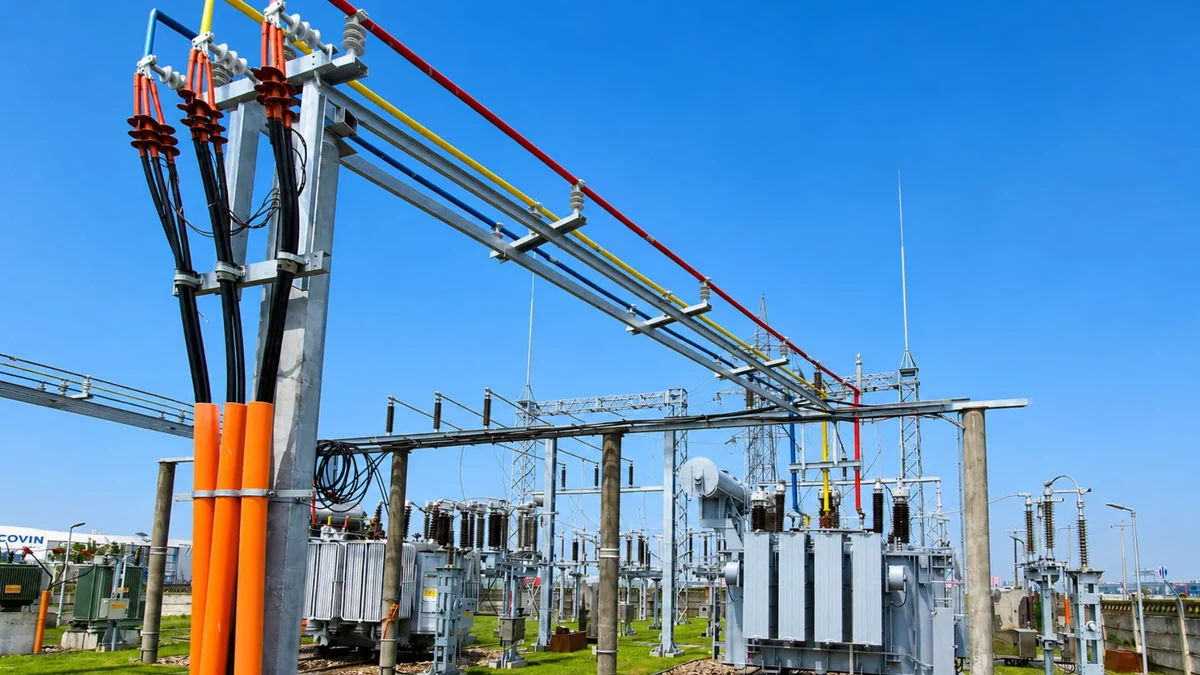
Through the implementation of this project, Distribuție Energie Oltenia benefits from an updated geospatial database and a complete picture of the distribution infrastructure in Mehedinti County. The information collected contributes to the optimization of operation and maintenance activities, to the planning of investments and to the acceleration of the digitalization process of the electricity networks, providing the operator with the necessary tools for the efficient management of the energy infrastructure in the long term.
35.882
Inventoried and georeferenced network elements
130
Localities covered
16 months
Runtime
30%
faster than the initial contract term